China’s gig economy losing ability to absorb laid off factory workers
- Ride-hailing service Didi Chuxing, online food delivery platform Meituan Dianping as well as streaming services like Huya, Douyu and Kuaishou face challenges
- New economy’s ability to absorb unemployed workers from other industries hampered by economic slowdown, saturation of markets and tighter regulations

With the Chinese economy slowing, concern has increased among Chinese policymakers about the outlook for employment, since ensuring a sufficient number of new jobs is seen as a necessary ingredient in maintaining social stability in the country. Employment was the top priority the Politburo set last July when it shifted its economic policy focus to stabilising growth. That led the government to enact a series of policies to counter rising joblessness. This series explores the employment challenges faced by different segments of the Chinese economy, and this third instalment examines the issues facing the “life services” or “gig” economy.
The cold draft of job cuts returned to China this winter, only three years after the last round, but this time, the safety net for Chinese workers is much thinner.
Chinese internet-based service companies, which served as the employment backstop in the last economic downturn, have themselves fallen on hard times, only adding fuel to rising lay-off worries.
Online search traffic for the keyword “lay-off” has shot up since December to a level higher than at any time since the beginning of 2011 when such data first became available, according to Baidu Index, a Chinese online search tracking service equivalent to Google Trends.
Companies repeatedly highlighted in these searches were not just major exporters or manufacturers, but also internet platforms for ride-hailing, live streaming and food delivery, the heart of the “life services” or “gig” economy.
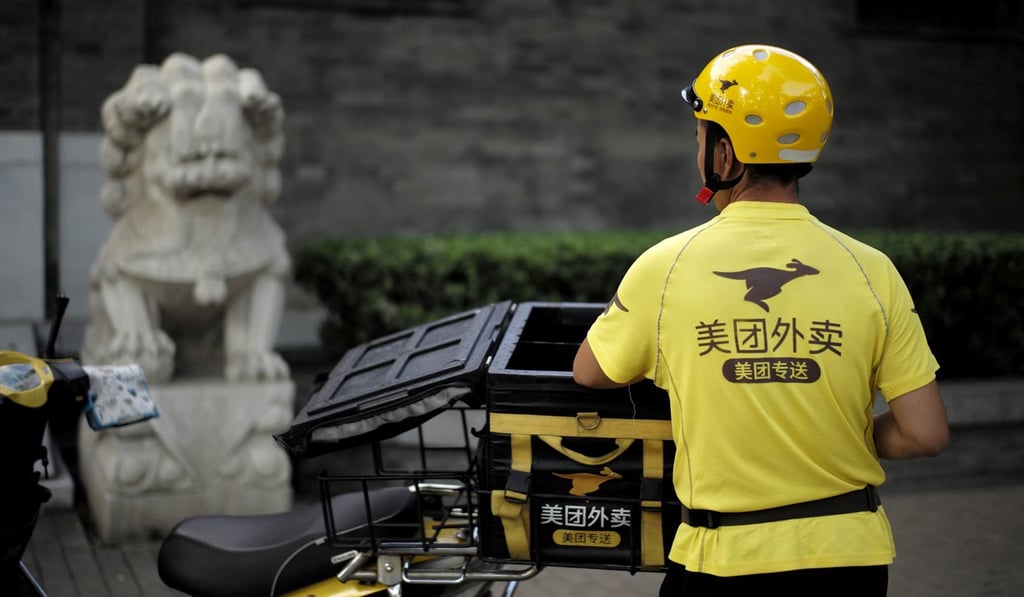
Over the past few years, the sector has created a vast number of new entry-level, low-skilled jobs, thereby absorbing the millions of workers who have been laid off by heavy industries like steel and mining since 2016, when Beijing launched an economic restructuring campaign to cut excess industrial capacity.